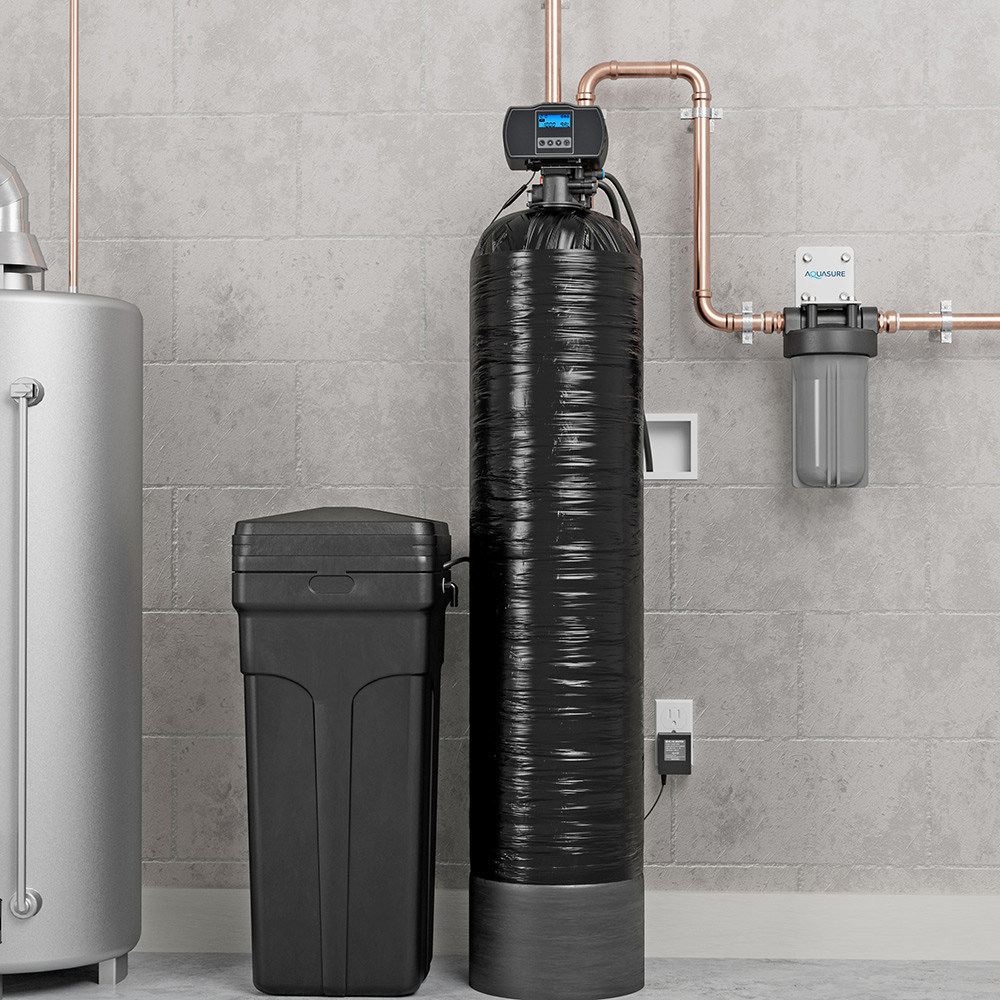
Hard water is a common issue in many households, and it can lead to a variety of problems, including scale buildup in pipes and appliances, dry skin and hair, and reduced effectiveness of soaps and detergents. Installing a descalcificadores de agua en Zaragoza is an effective solution, but choosing the right system for your house requires careful consideration. Here’s a guide to help you make an informed decision.
Understanding Hard Water
Hard water contains high levels of minerals, primarily calcium and magnesium. While not harmful to health, these minerals can cause damage over time. You may notice white deposits on faucets and showerheads, soap scum in sinks and bathtubs, or your water heater becoming less efficient. A water softener removes or neutralizes these minerals, improving water quality throughout your home.
Types of Water Softeners
Before choosing a water softener, it’s important to understand the main types available:
Salt-Based Ion Exchange Softeners
Salt-based systems are the most common and effective type of water softener. They work by exchanging calcium and magnesium ions with sodium ions, effectively “softening” the water. These systems are ideal for households with very hard water, but they do require regular maintenance, including adding salt and cleaning the resin tank periodically.
Salt-Free Water Conditioners
Salt-free water conditioners, also known as descalers, do not remove minerals but instead prevent them from forming scale deposits. They are low-maintenance, environmentally friendly, and don’t increase sodium levels in your water. However, they may not be as effective in areas with extremely hard water.
Dual-Tank Systems
Dual-tank water softeners are designed for larger households or homes with very high water usage. While one tank regenerates, the other continues softening water, ensuring a continuous supply. This option is typically more expensive but offers consistent performance.
Factors to Consider
When selecting a water softener, several factors should guide your decision:
Water Hardness Level
Testing your water’s hardness is the first step. You can use a home test kit or hire a professional. The hardness level will determine the type and size of the softener you need.
Household Size and Water Usage
The number of people in your household and your daily water consumption affect the capacity of the system. Larger families or homes with higher water demand may require a larger or dual-tank system.
Installation and Maintenance
Consider where you will install the softener and how much maintenance you are willing to perform. Salt-based systems need regular salt refills and occasional cleaning, whereas salt-free systems generally require less attention.
Budget
Water softeners vary widely in price. While salt-based systems are often more affordable upfront, long-term costs for salt and maintenance should be factored in. Salt-free and dual-tank systems may have higher initial costs but can save time and effort in maintenance.
Additional Features
Some modern water softeners come with extra features such as programmable regeneration cycles, Wi-Fi connectivity, and water usage tracking. These can enhance convenience and efficiency but may increase the overall price.
Installation Tips
Proper installation is crucial for your water softener to work effectively. It’s recommended to place the system near the main water supply, ideally after the water meter but before any branch lines. Professional installation ensures correct setup and can prevent leaks or performance issues.
Conclusion
Choosing the right water softener for your house involves understanding your water hardness, household needs, and preferred maintenance level. Whether you opt for a traditional salt-based system, a low-maintenance salt-free conditioner, or a high-capacity dual-tank system, a well-chosen water softener can improve the lifespan of your appliances, enhance water quality, and make everyday chores easier. With the right system in place, you can enjoy softer water and all the benefits it brings to your home.