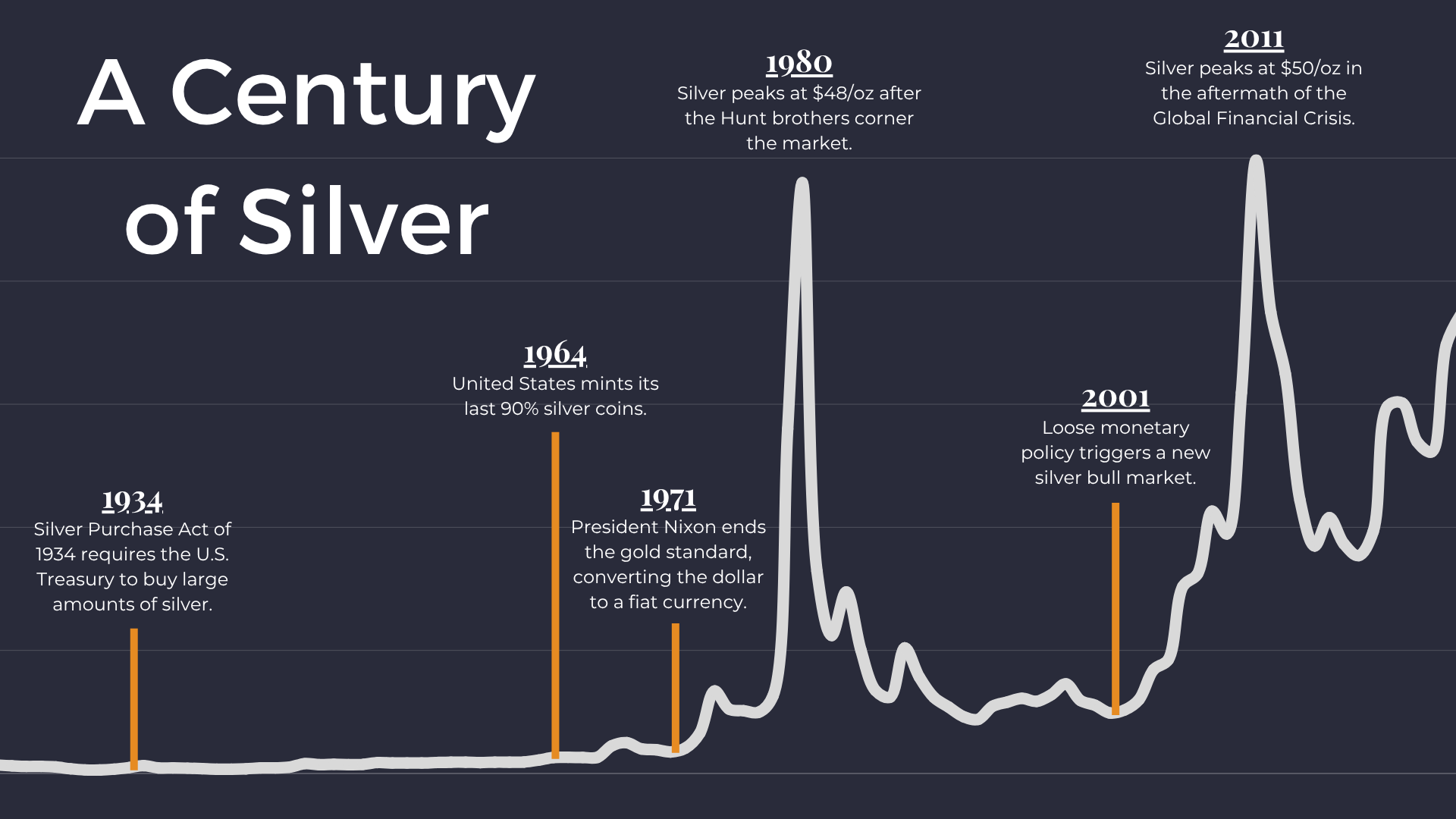
Silver has long been valued as both a precious metal and a practical investment. Whether you’re a collector, investor, or someone curious about market trends, understanding the cost per ounce of silver is essential. This price plays a major role in everything from investment decisions to jewelry pricing. But how is the cost determined, and what factors make it rise or fall? Here’s a clear breakdown of cost per ounce of silver really means and what affects it.
What Does “Cost Per Ounce of Silver” Mean?
The cost per ounce of silver refers to the current market price for one troy ounce of pure silver. A troy ounce—used for precious metals—is slightly heavier than a regular ounce, weighing about 31.1 grams. This pricing standard ensures consistency across global markets.
When you check silver prices on financial websites or precious metals dealers, the number you see is the spot price. This spot price reflects the current value of silver if it were bought or sold right now on the open market.
Factors That Influence Silver Prices
The cost per ounce of silver is not fixed. It shifts throughout the day based on several economic and industry factors. The most influential include:
- Global Supply and Demand
Like any commodity, silver’s price is driven by how much is available and how much people want. Silver is heavily used in industrial applications including electronics, solar panels, medical equipment, photography, and more. When industries demand more silver, prices tend to rise. When demand slows, prices can drop.
- Economic Conditions
Investors often turn to precious metals during uncertain economic times. When inflation rises, currencies weaken, or stock markets fluctuate, many people buy silver as a safe investment. Increased investment demand pushes the cost per ounce higher. In stable economic periods, silver demand may ease.
- Mining Production
Silver mining levels influence global supply. If mining output decreases due to labor issues, natural disasters, stricter regulations, or rising production costs, supply may tighten, causing prices to rise. Higher production, on the other hand, can reduce prices.
- Geopolitical Events
Events such as wars, political instability, or global tensions can impact commodity markets. Precious metals often experience price spikes when global uncertainty increases.
- Currency Value
Since silver is mostly traded in U.S. dollars, the value of the dollar affects its cost. When the dollar is strong, silver often becomes cheaper for international buyers, potentially lowering global demand. When the dollar weakens, silver prices usually rise.
Spot Price vs. Retail Price
It’s important to understand that the spot price isn’t always the exact price you pay when buying physical silver. Dealers add premiums to cover minting, production, storage, and shipping. These premiums vary based on the type of silver product you buy, such as:
- Silver coins
- Silver bars
- Silver rounds
- Collectible pieces
For example, American Silver Eagles or collectible coins often carry higher premiums due to craftsmanship and demand.
How to Track the Cost Per Ounce of Silver
Tracking silver prices has never been easier. You can follow live charts on financial websites, market apps, or precious metals dealers’ platforms. These charts update constantly, giving you the latest spot price. Investors often watch for trends such as rising demand, market dips, or long-term price movements.
It’s also helpful to compare prices from multiple dealers before making a purchase. Even small differences in premiums can impact your overall investment cost.
Should You Buy Silver?
Whether silver is a good investment depends on your financial goals. Silver can be a strong hedge against inflation, a smart long-term asset, or a useful diversification tool. It tends to be more affordable than gold, making it accessible for beginners. However, like any investment, its value can rise or fall, so research and timing matter.
Final Thoughts
Understanding the cost per ounce of silver gives you a strong foundation for making smart buying and investing decisions. Because silver prices are influenced by supply, demand, economic conditions, and global events, staying informed helps you recognize good opportunities. Whether you’re buying silver for investment, collection, or savings, knowing how the price works puts you in a better position to make confident, informed choices.